
With thoughtful preparation, consistent supervision, and strong communication between caregivers and families, children can grow, learn, and thrive in environments that support both their curiosity and their wellbeing.

Laying the Groundwork for Safety
A safe environment begins long before children enter space. Both families and child care educators should take time to identify and remove potential hazards.
This includes the following safety measures.
-
- Store cleaning supplies in locked cabinets.
- Keep choking hazards out of reach.
- Anchor furniture to prevent tip‑overs.
- Use outlet covers, cabinet locks, and gun locks.
- Maintain clear pathways free of clutter.
These simple steps create a foundation of safety that protects children as they explore. For child care educators, this preparation also includes meeting licensing requirements, conducting regular safety inspections, and documenting any hazards or maintenance needs. Families benefit from adopting similar routines at home, ensuring consistency between environments.
The Power of Close Supervision
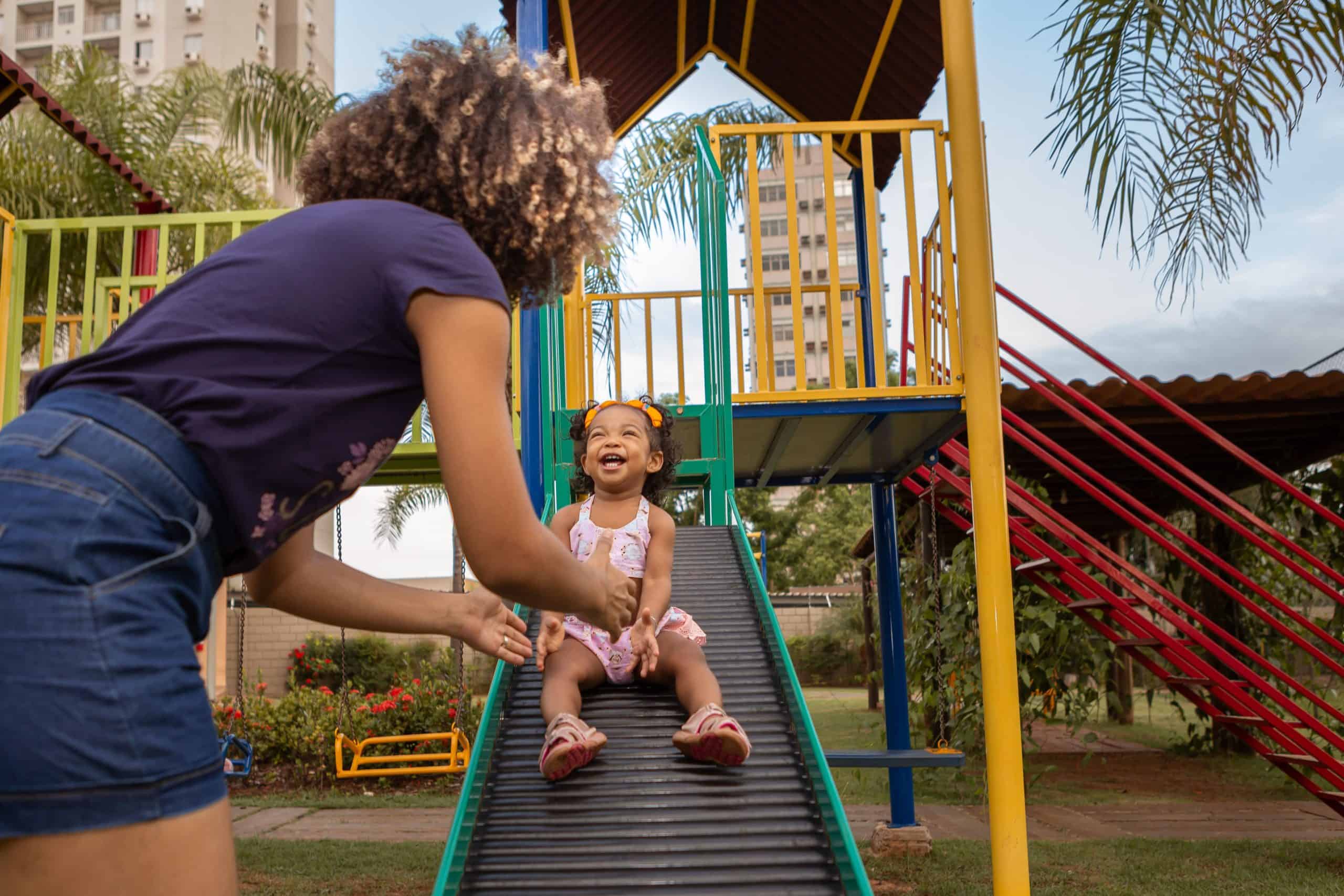
Young children are naturally curious, and their curiosity is essential for learning. As infants begin to crawl and toddlers learn to walk, they touch, grab, and taste everything within reach. This makes close, consistent supervision essential, whether at home or in a child care setting.
Adults can provide effective supervision by implementing these strategies.
-
- Remain close to children where you can always see and hear them.
- Engage in play rather than observing from a distance.
- Anticipate behaviors based on developmental stages.
- Scan the environment regularly for hazards
- Use a toilet paper tube to identify choking risks. If an item slides through the toilet paper tube, it provides a increased choking hazard.
- Completing Pediatric First Aid and CPR training.
Child care educators often use supervision strategies such as zoning by assigning adults to specific areas, maintaining appropriate ratios, and documenting incidents. Families can adopt similar habits, especially during high‑risk activities like bath time, outdoor play, or mealtimes.
When families and educators communicate about a child’s emerging skills, such as climbing, crawling, or mouthing objects, they can work together to create consistent supervision strategies across environments.

Preventing Falls
Falls are one of the most common injuries among young children, but many are preventable with thoughtful planning. Both families and educators can help reduce falls with these simple habits.
-
- Keep floors clear of toys and clutter.
- Use non‑slip pads under rugs.
- Ensure children are buckled securely in highchairs, strollers, and car seats.
- Position furniture away from windows, railings, and stairs.
- Install safety gates where needed.
For children who love to climb, safe opportunities are essential. Child care educators often use indoor climbers, foam blocks, and playground structures designed for young children. Families can support this by offering supervised climbing opportunities at parks or indoor play spaces.
When both environments encourage safe climbing, children build strength and confidence without resorting to unsafe furniture climbing.

Water Safety: Constant Vigilance
Water is fascinating to young children, but it can also be dangerous. Whether at home or in a child care program, water safety requires constant, undistracted supervision.
Key practices include these important routines.
- Never leave a child unattended near water.
- Empty buckets, sensory bins, and inflatable pools after use.
- Install four‑sided fencing around large pools.
- Stay within arm’s reach during water play.
- Supervising bath time closely,
- Using water tables safely and only when adults are present.
Child care educators often use shallow sensory tables with strict supervision rules. Families can mirror these practices at home, ensuring consistency and reinforcing safe habits.
Burn and Fire Prevention
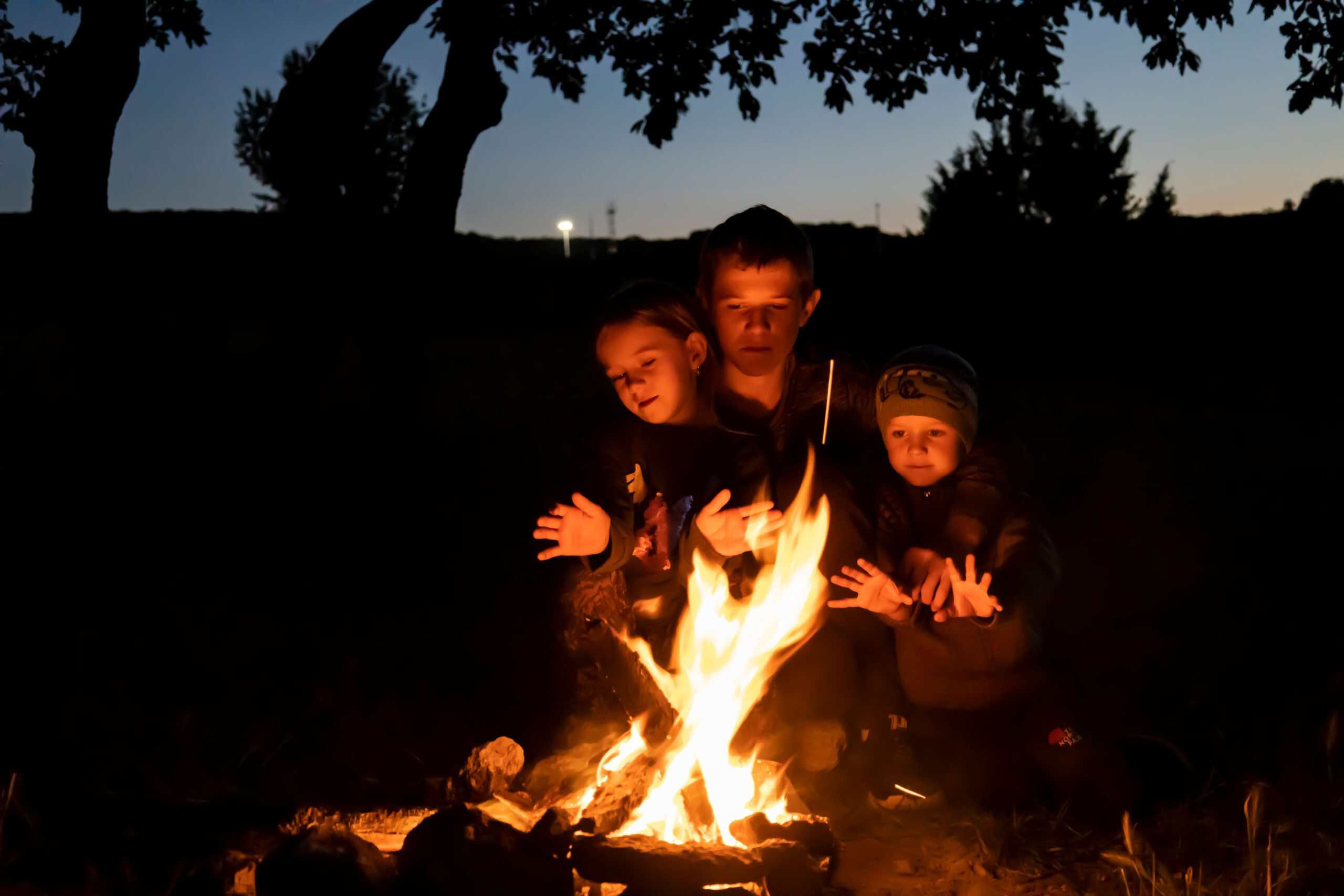
The kitchen is full of potential hazards requiring both families and child care educators to remain vigilant. Safety practices include the following habits.
- Turn pot handles inward.
- Keep hot items and cords out of a child’s reach.
- Supervise children near stoves, ovens, and microwaves.
- Install smoke detectors on every floor.
- Test smoke detectors monthly.
- Use combination smoke and carbon monoxide detectors.
In child care settings, fire drills, evacuation plans, and posted emergency procedures are required. Families can create similar routines at home, practicing fire escape plans and teaching children simple safety rules. When children learn consistent fire safety messages in both environments, they are more likely to remember and follow them.
Choking and Suffocation Prevention
Food and small objects are common choking hazards. Families and educators can work together to ensure children are offered safe food and taught safe eating habits.
When preparing meals and snacks, follow these essential safety practices to protect young children.
-
- Cut grapes, cherry tomatoes, and hot dogs into small pieces.
- Encourage children to sit while eating.
- Avoid foods that are difficult to chew, such as gummy candies, chewing gum, and tougher meats.
- Keep plastic bags, balloons, and small toys out of the child’s reach.
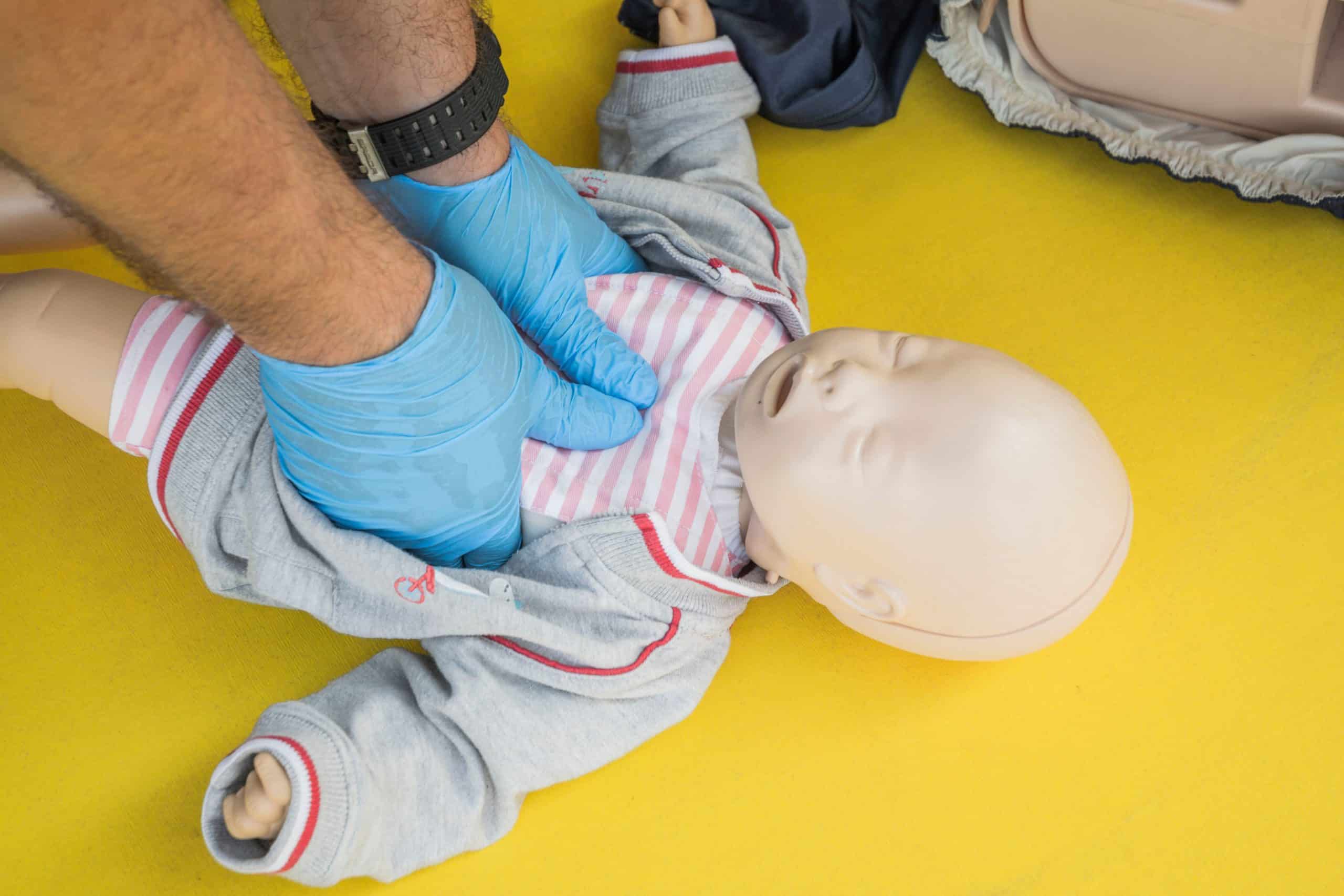
- Know how to administer the Heimlich maneuver.
Child care educators often follow strict food safety guidelines and reduce choking hazards. Families can support this by sharing information about foods their child may struggle with and following similar guidelines at home.

Car and Travel Safety
Car seat safety is essential for families, while child care educators who transport children must follow state regulations and training requirements. Families should implement the following steps.
-
- Use rear‑facing seats for infants.
- Transition to forward‑facing seats only when appropriate.
- Use booster seats until seat belts fit properly.
- Keep children in the back seat.
- Never leave children alone in a vehicle.
When transporting children, child care educators should implement these steps.
-
- Conduct vehicle safety checks.
- Obtain written parent or guardian authorization before transporting their child.
- Maintain transportation logs.
- Follow strict loading and unloading procedures.
- Ensure all staff are trained in transportation safety.
When families and educators communicate about car seat use and transportation routines, children experience consistent safety practices.
Medication and Illness Safety
Medication safety is a critical responsibility in both homes and child care programs. Families and educators should keep children safe with proper medication practices.
-
- Store medications out of the child’s reach.
- Use proper measuring tools.
- Follow dosage instructions carefully.
- Maintain medication logs, including the child’s name, medication and dosage information, and time of administration.
- Communicate about any medications a child is taking.
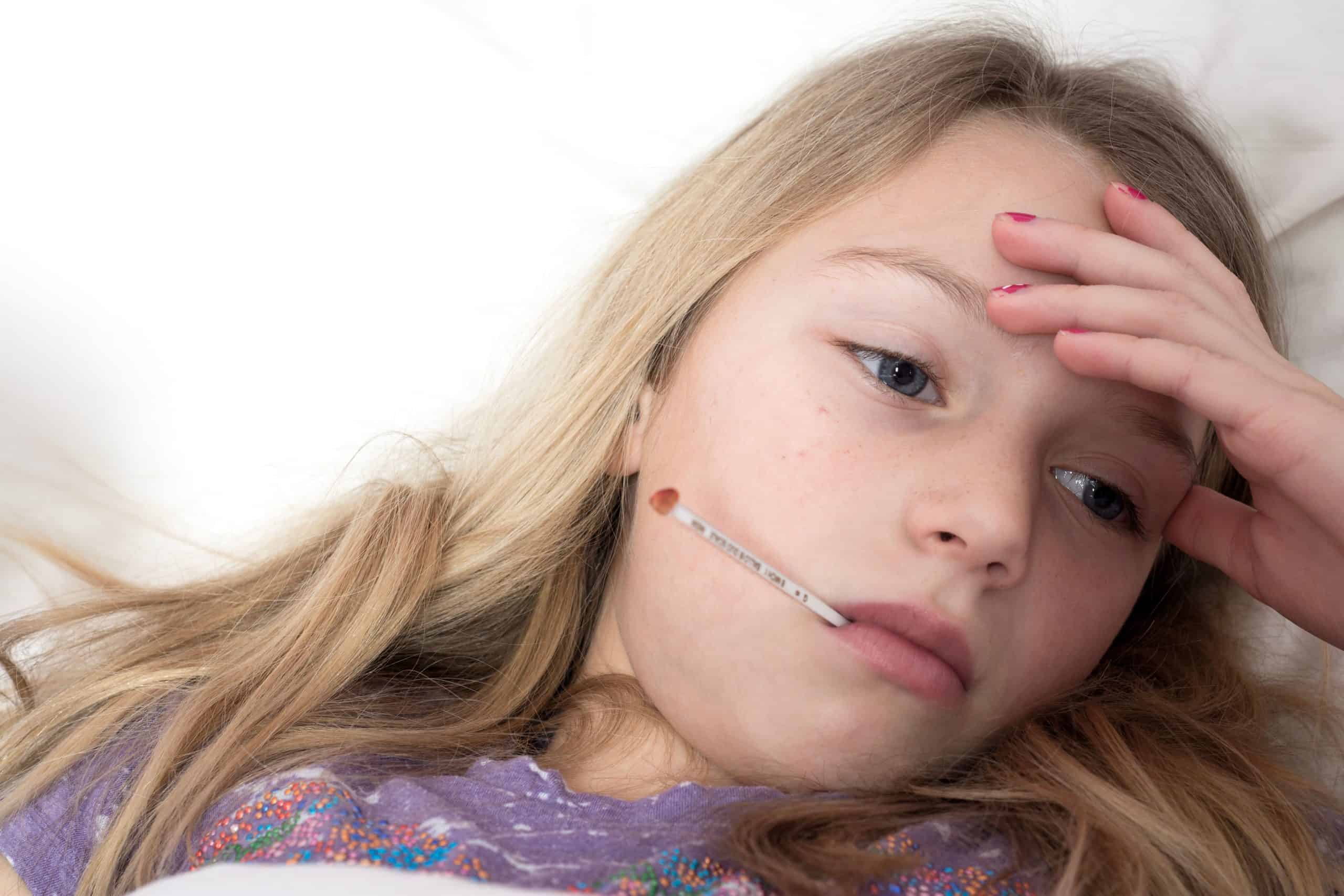
- Keep children home when they have fever, vomiting, or diarrhea.
Child care educators must follow medication administration policies, maintain documentation, and obtain written authorization. Families can support this by bringing prescription medications in original containers with clear instructions and notifying educators of any health concerns.
Strangulation and Cord Safety
Strangulation hazards exist in both homes and child care settings. Families and child care educators need to implement the following safety practices.
-
- Keep window blind cords out of the child’s reach.
- Replace blinds with cordless options when possible.
- Avoid clothing with drawstrings.
- Check closets for items with long ties or drawstrings.
- Supervise children on playground equipment, especially when wearing pieces of clothing with a drawstring.
When both families and educators monitor clothing and environmental hazards, children stay safer across all settings.

Digital and Media Safety
Screens are part of modern life, but they should never replace human interaction. Families and educators can keep children safe with digital and media in the following ways.
-
- Use parental controls.
- Limit screen time.
- Watch videos and movies alongside children.
- Model healthy digital habits.
- Prioritize hands‑on, interactive play.
Child care educators often follow guidelines that limit or eliminate screen use during the day. Families can support this by choosing high-quality content and engaging with children during screen time.
Sun and Heat Safety
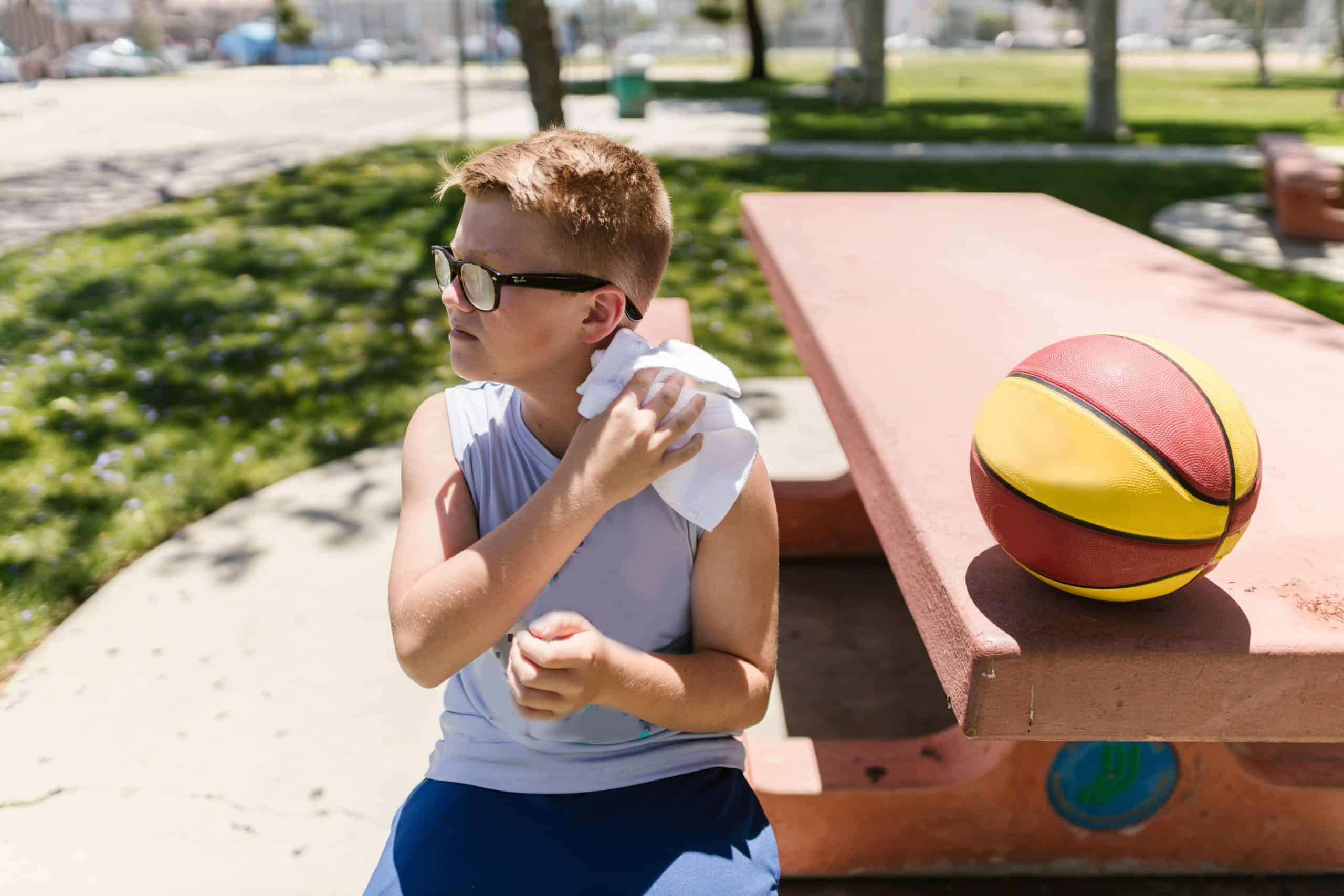
Outdoor play is essential, but sun and heat exposure require attention. Both families and child care educators can maintain safety through the following best practices.
-
- Apply sunscreen.
- Offer plenty of fluids.
- Provide shade and rest breaks.
- Avoid outdoor play during peak heat.
- Watch for signs of overheating.
When both environments prioritize sun safety, children learn lifelong habits that protect their health.
Positive Parenting and Caregiving Prevent Harm
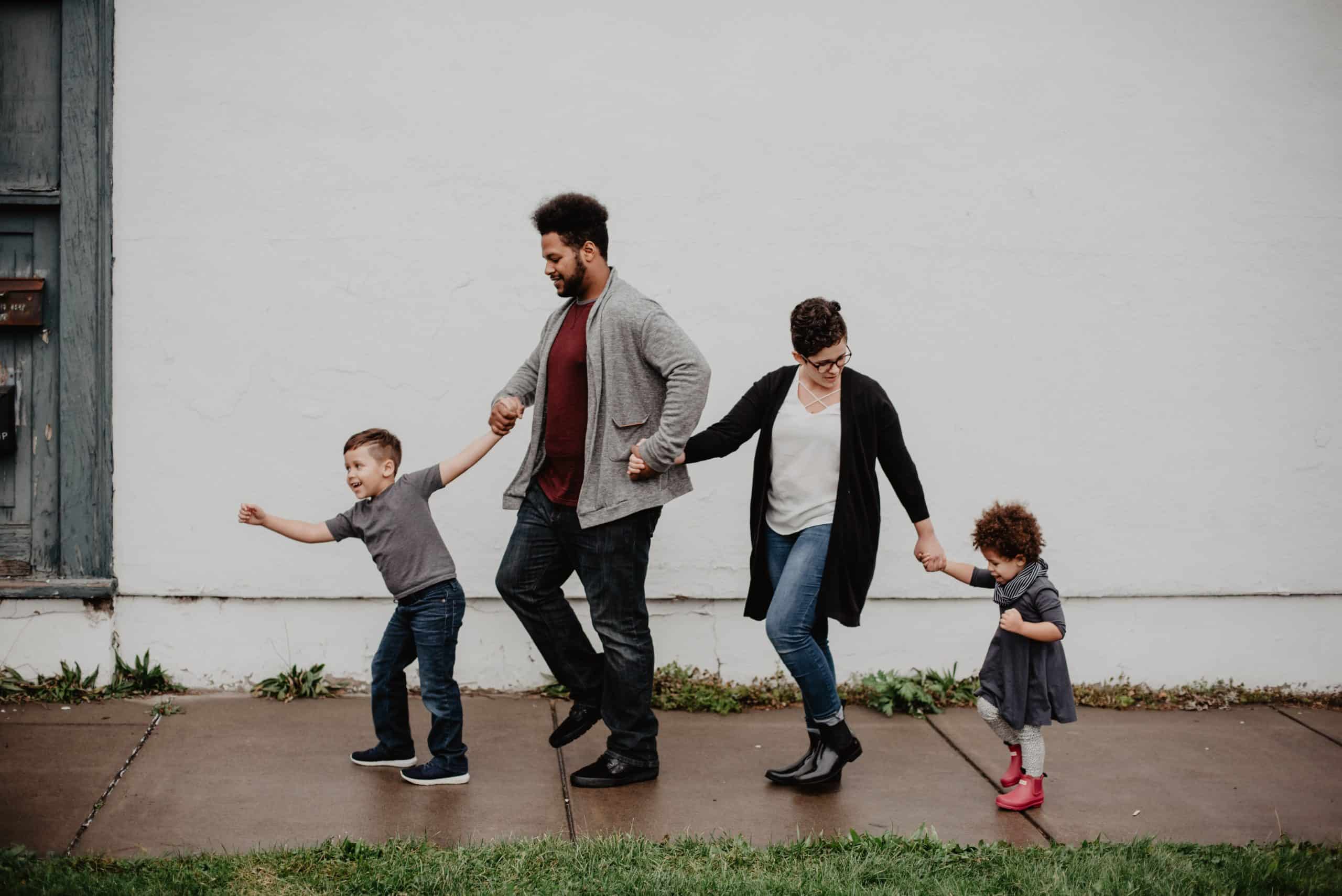
Safety is both physical and emotional. Children thrive when surrounded by adults who are attentive, nurturing, and consistent. Families and child care educators can work together to provide a playful learning environment safely in the following ways.
-
- Establish predictable routines.
- Communicate openly about concerns.
- Share observations about a child’s development.
- Provide opportunities for safe skill‑building.
- Reinforce safety rules in positive and age-appropriate ways.
When families and educators collaborate, children experience a seamless, supportive environment that helps them grow with confidence. A safe home and a safe child care setting is more than a protected space. Both environments provide a child with a foundation for lifelong learning, emotional security, and healthy development. With thoughtful preparation, strong communication, and attentive caregiving, we can create environments where young children feel secure, loved, and ready to explore the world around them.
Conclusion
Building a safe and supportive environment for young children is an ongoing process that requires intention, consistency, and teamwork. No single strategy can prevent risks, but when educators and families work together, they create layers of protection that help keep children safe in all settings. Consistency between child care programs and home strengthen these efforts, helps children to learn and follow safety rules with confidence. Safety is about creating environments where children feel secure, supported, and free to explore. When we prioritize both protection and connection, we give children the strong foundation they need to grow and learn.
Sponsored by the generosity of

Related Posts

7 Tips for Supporting Children After Trauma
Sarah Grissom - United 4 Children Education Specialist When a child goes through a traumatic experience, whether it’s a natural disaster, a loss, or a sudden change, it shakes their sense of safety and stability. As adults who love and support children, there are...

Open-Ended Play and School Readiness
How do we prepare young children for kindergarten? What nurtures their creativity, supports mental health, and builds problem-solving skills that last a lifetime? The answer is both simpler and more powerful than you may think: open-ended play. When we...

7 Essential Tips for Effective Family Engagement in Early Childhood Programs
7 Essential Tips for Effective Family Engagement in Early Childhood Programs A child’s family is their very first experience in learning; they are the first “teachers” that set the stage for the continued learning that will happen throughout the child’s life. As a...
