
Creating an engaging early childhood classroom doesn’t have to break the bank. Simple, open-ended materials can make some of the best toys! The following examples provide children with hours of entertainment while supporting physical and cognitive development that is needed for future success in elementary school. Whether you’re a seasoned educator, just starting to build your classroom, or a parent looking to expand play opportunities, these five low-cost must-haves are budget-friendly, versatile, and time-tested.

1. Small Suitcases
Never underestimate the magic of a few small suitcases in a classroom or playroom. Children are naturally drawn to things they can open, close, carry, and fill. A small child-sized suitcase is perfect for this type of play. It encourages exploration, fine motor development, and imaginary play. Children love to pack and unpack suitcases, carry them around, and incorporate them into their imaginary play.
You can find child-sized suitcases at garage sales, thrift stores, or craft stores like Michaels (I always wait for a sale). Cardboard suitcases are lightweight and easy for young children to handle. Just make sure you have several for your classroom. They will be a high-demand item!
2. Plastic Loofahs
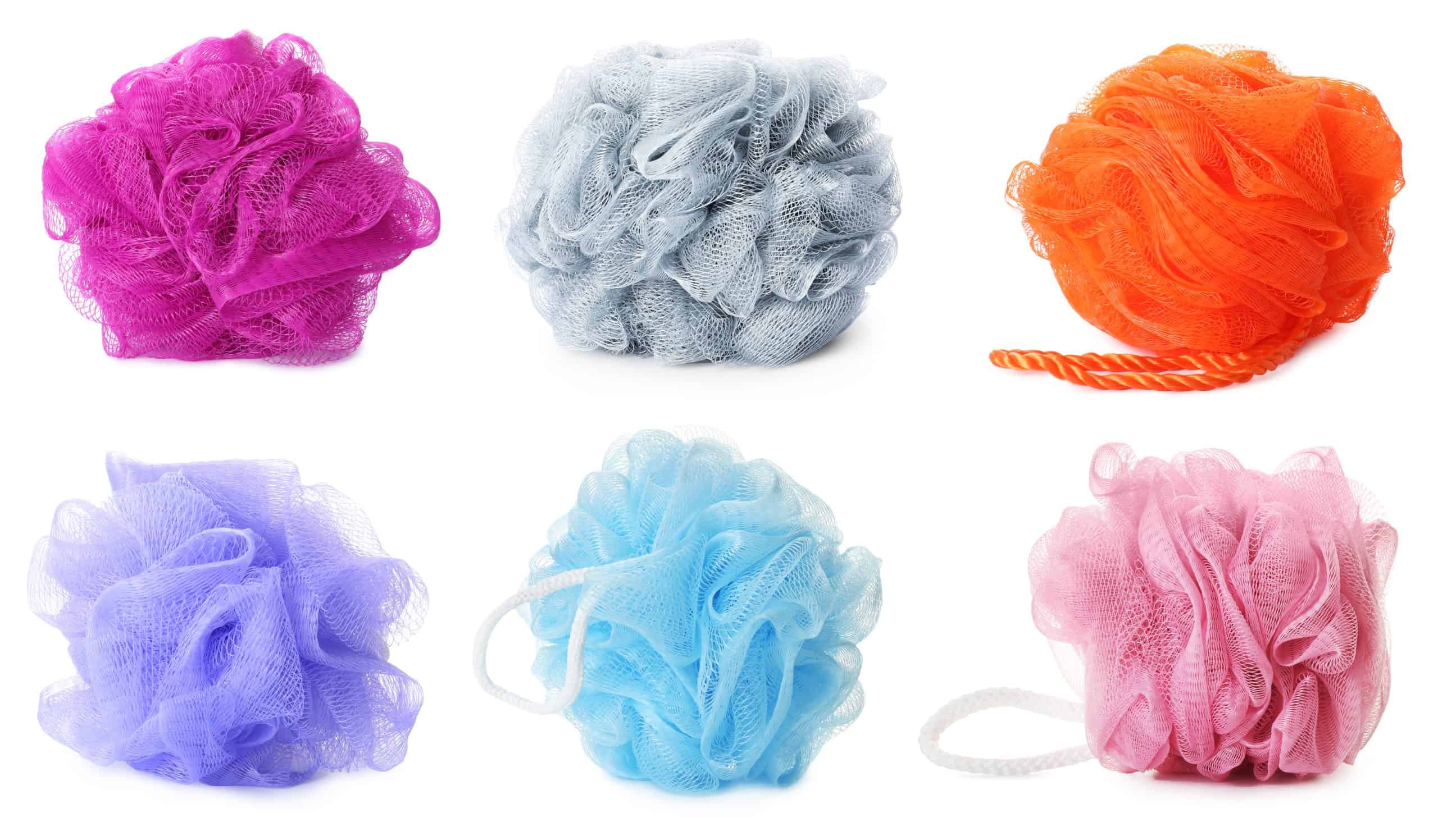
Loofahs are versatile, affordable, and highly useful in an early childhood setting. You can purchase them at a variety of places including 2 for $1.25 at Dollar Tree. They can be used for sensory play, painting, and gross motor activities both inside and outside. They’re lightweight, easy to grasp, and have a satisfying smooth texture.
Add loofahs to the water table and let children wash toys or squeeze out the liquid, transferring water from one container to another. Use them for sponge painting to create interesting textures on paper. Loofahs are perfect for throwing because they don’t hurt if they hit someone by mistake. Make a target out of paper for the wall or throw them into a laundry basket. Best of all, loofahs are easy to clean. Just toss them in the dishwasher or washing machine for a quick refresh.
3. Laundry Baskets
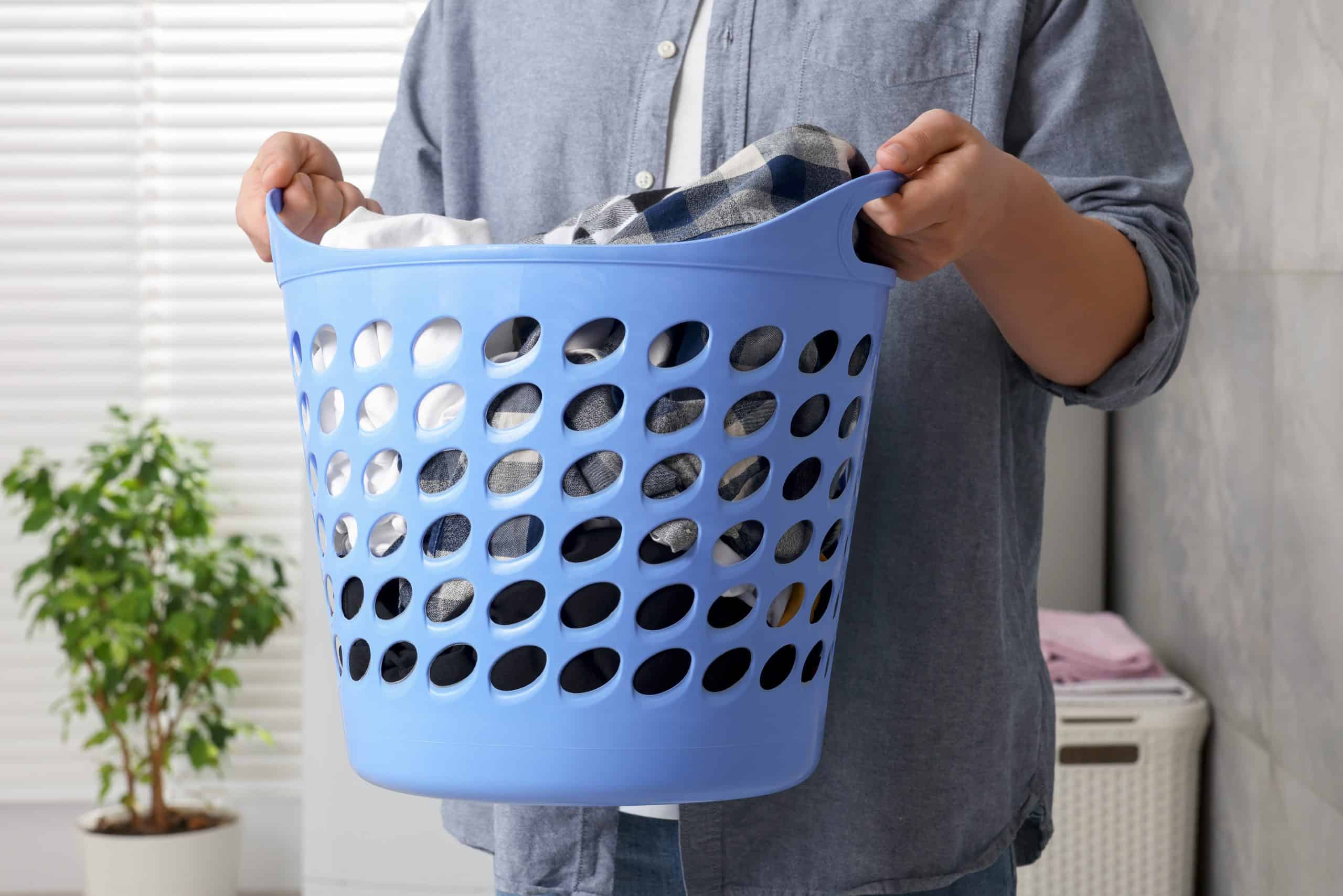
A laundry basket may not scream “educational toy,” but it’s a hidden gem. These sturdy containers are ideal for all kinds of gross motor and imaginative play. Toddlers and preschoolers love to fill and move baskets, providing much-needed “heavy work” which supports sensory regulation and muscle development.
Laundry baskets can become doll beds, vehicles, or a place to collect treasures. Children might choose to climb inside with a blanket for a cozy enclosed space or flip the basket upside down to create a tent for stuffed animals or protect a block structure. Their durability and versatility make them a great children’s toy, and you probably already have a few lying around at home!
4. Recyclables
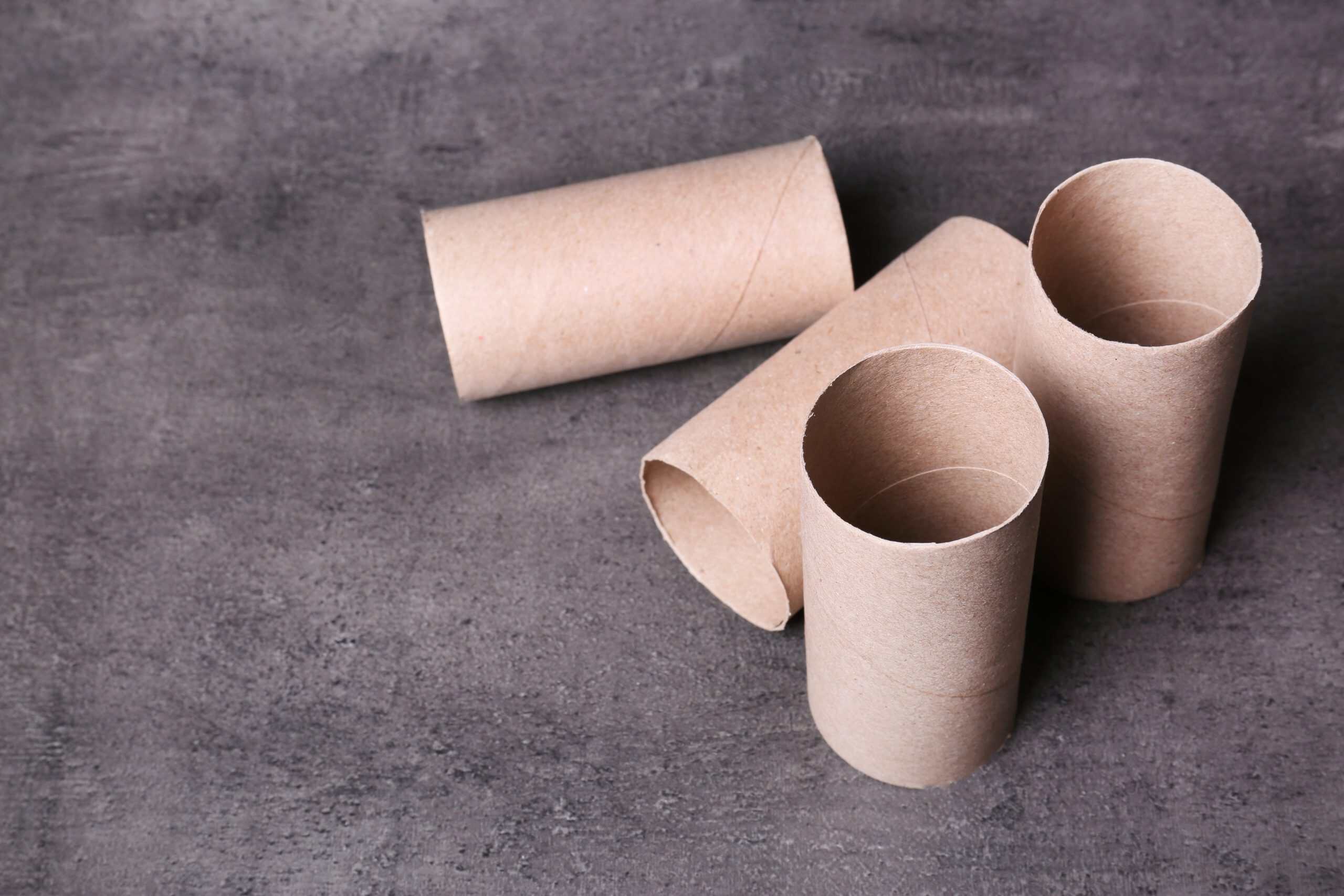
Recyclables are an amazing play material for young children, and they’re completely free! Cardboard tubes, cereal boxes, yogurt containers, bottle caps, and clean plastic jars can all be used in all kinds of play inside and outside.
For older toddlers and preschoolers, pairing recyclables with tape, clothes pins, chenille sticks, glue, or paper clips invites opportunities for building, engineering, problem-solving, creativity, and most of all fun. Infants and toddlers can use the materials to explore, clank together, put in and take out of containers, and transport around the room. Through play with recyclables and found objects, children develop many skills, including fine motor and spatial reasoning.
5. Flannel Boards
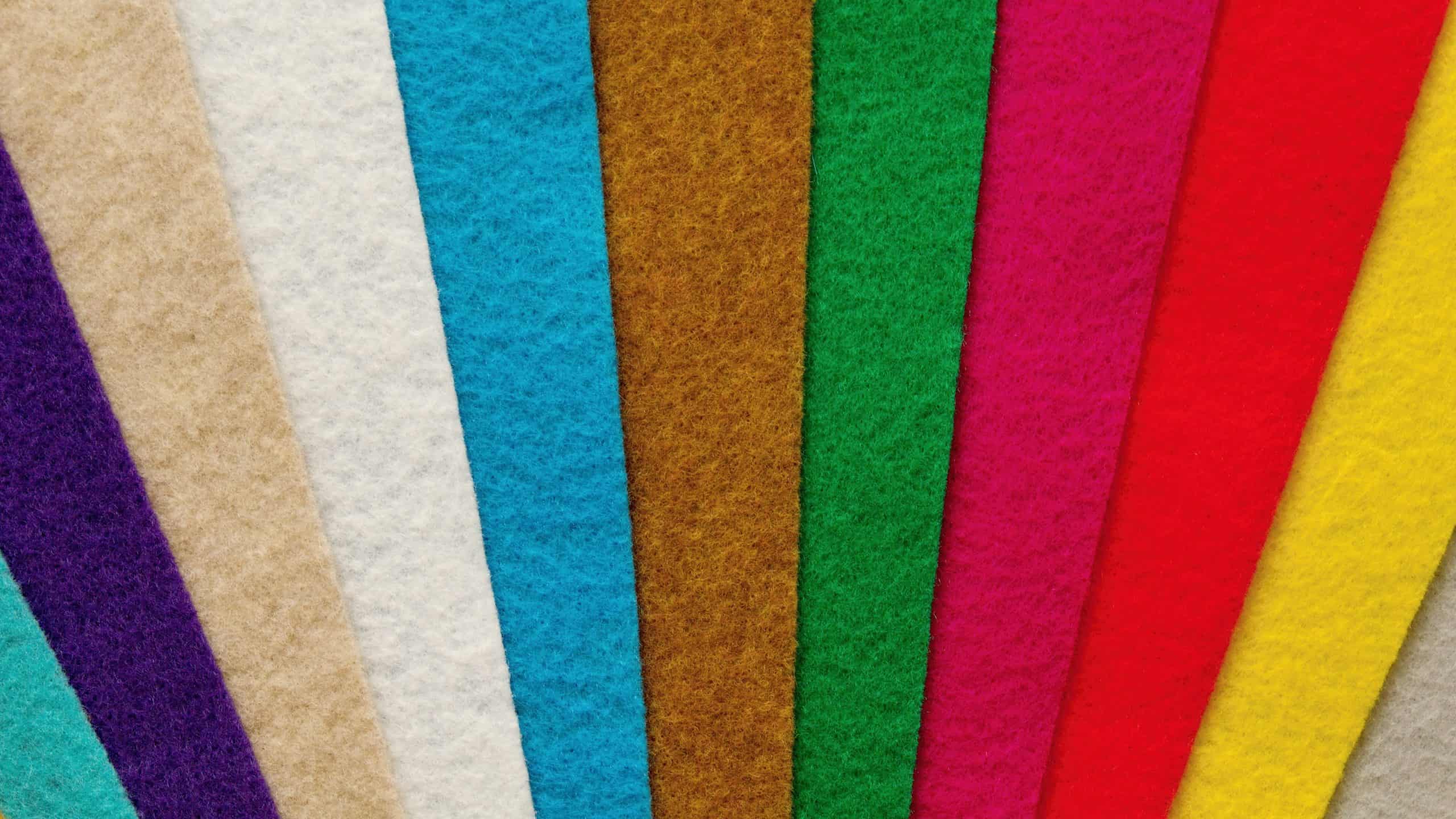
The flannel board is a timeless classic that deserves a comeback! This simple, hands-on activity encourages children to explore storytelling, spark their imagination, and build important language and literacy skills. Best of all, creating a flannel board is easy and inexpensive. Simply stretch a piece of felt over sturdy cardboard, a clipboard, or a wooden board, and secure it with duct tape, nails, Command Strips, or whatever works best for your space. For an even larger storytelling area, felt can be attached directly to a wall or the back of a shelf.
Creating pieces for your flannel board is just as simple. One option is to cut shapes, designs, and characters from additional pieces of felt. Another is to print pictures or graphics, cover them with clear packing tape for durability, cut them out, and attach the hook side of adhesive Velcro to the back. Both types of pieces will adhere easily to the flannel board.
Shapes, numbers, letters, and favorite story characters can all come to life on a flannel board. Children can retell familiar tales, create their own imaginative stories, or sort items by color, size, or category. Along the way, they strengthen fine motor skills, develop narrative thinking, and build confidence in expressing their ideas through play.
Final Thoughts
Building a rich and meaningful early childhood environment doesn’t require expensive toys or high-tech gadgets. These five low-cost classroom must-haves offer tremendous value without straining your budget. They invite curiosity and allow children to lead their own learning through play.
Sponsored by the generosity of

Related Posts

Young Children + Predictability = Peace (Thanks to This One Tool!)
When our daughter was two, my husband had to go overseas for work for several months. It was a long time for him to be away, and during that stretch, we had very limited contact. It was tough on all of us, but especially for our daughter who did not yet understand the...

7 Tips for Supporting Children After Trauma
Sarah Grissom - United 4 Children Education Specialist When a child goes through a traumatic experience, whether it’s a natural disaster, a loss, or a sudden change, it shakes their sense of safety and stability. As adults who love and support children, there are...

Open-Ended Play and School Readiness
How do we prepare young children for kindergarten? What nurtures their creativity, supports mental health, and builds problem-solving skills that last a lifetime? The answer is both simpler and more powerful than you may think: open-ended play. When we...
