
Choosing a child care program is one of the most important decisions a family can make. While convenience and cost matter, safety must always come first. A safe, high-quality child care environment does more than prevent harm, it supports children’s development, emotional well-being, and confidence. As you begin your search, use the following guidance to evaluate whether a program is prepared to meet your child’s needs and keep them safe each day.
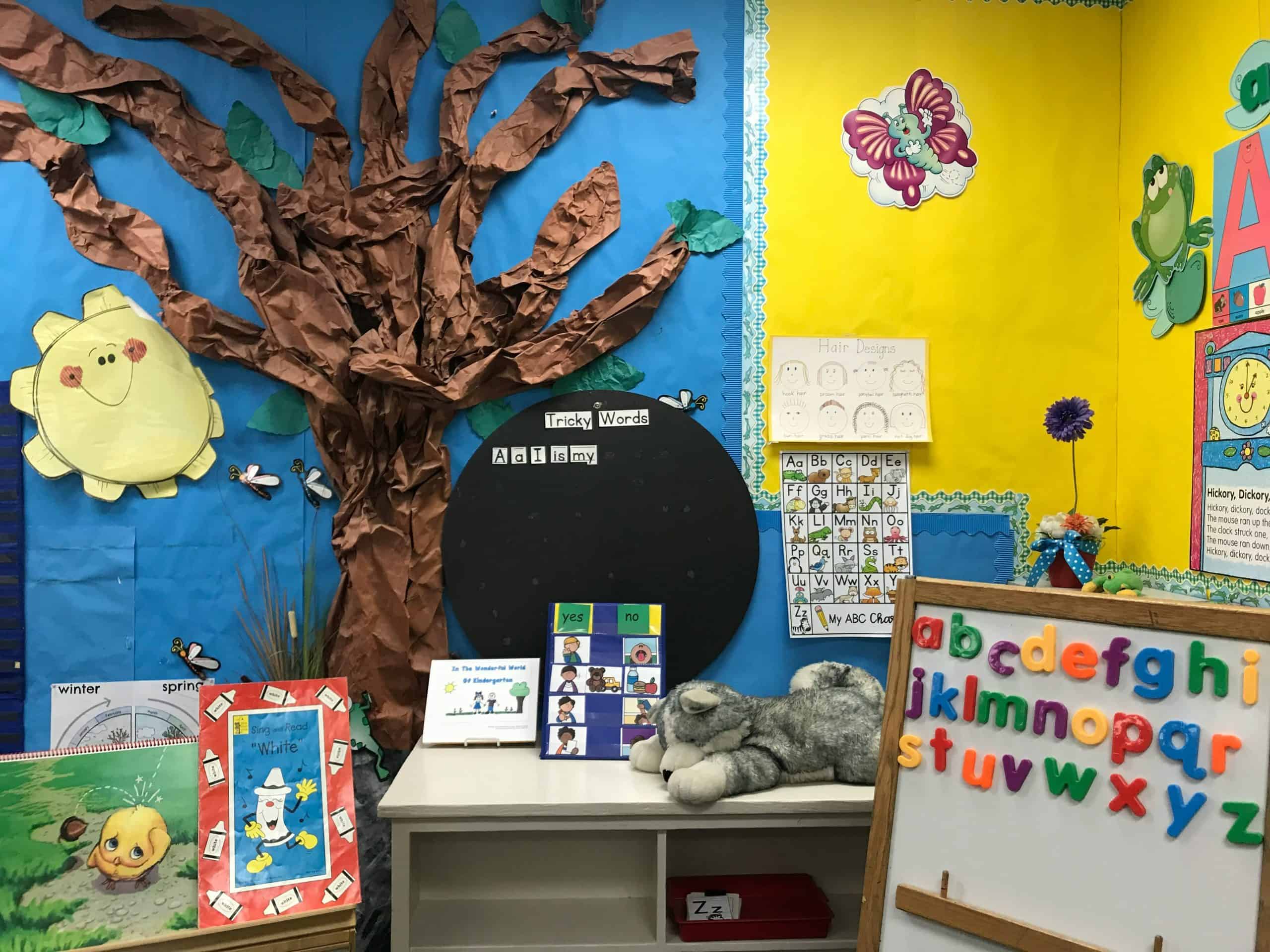
Child Care Licensing and Accreditation
Child care programs are places of learning as well as businesses that must operate legally and responsibly. Every reputable program should hold a current state license, meet health, safety, and supervision requirements, and comply with staffing and training regulations. These standards apply to both center-based programs (operating in dedicated facilities) and family child care homes (operating within a provider’s residence). While both settings can offer excellent care, families should always verify that the program is properly licensed.
When reviewing your state’s child care licensing website, check for the following information.
-
- Licensing requirements (health, safety, ratios, staff qualifications)
- Inspection reports and compliance history
- Complaint records or investigations
- Family guidance resources
You can also check for accreditation from the following accreditation agencies.
-
- National Association for the Education of Young Children (NAEYC)
- National Association for Family Child Care (NAFCC)
- National Early Childhood Program Accreditation (NECPA)
- State accreditation agency
Licensed and accredited programs are held accountable to established standards, reducing risk and increasing transparency for families. Child care educators work hard to achieve accreditation and should proudly display this information near the building’s entrance.
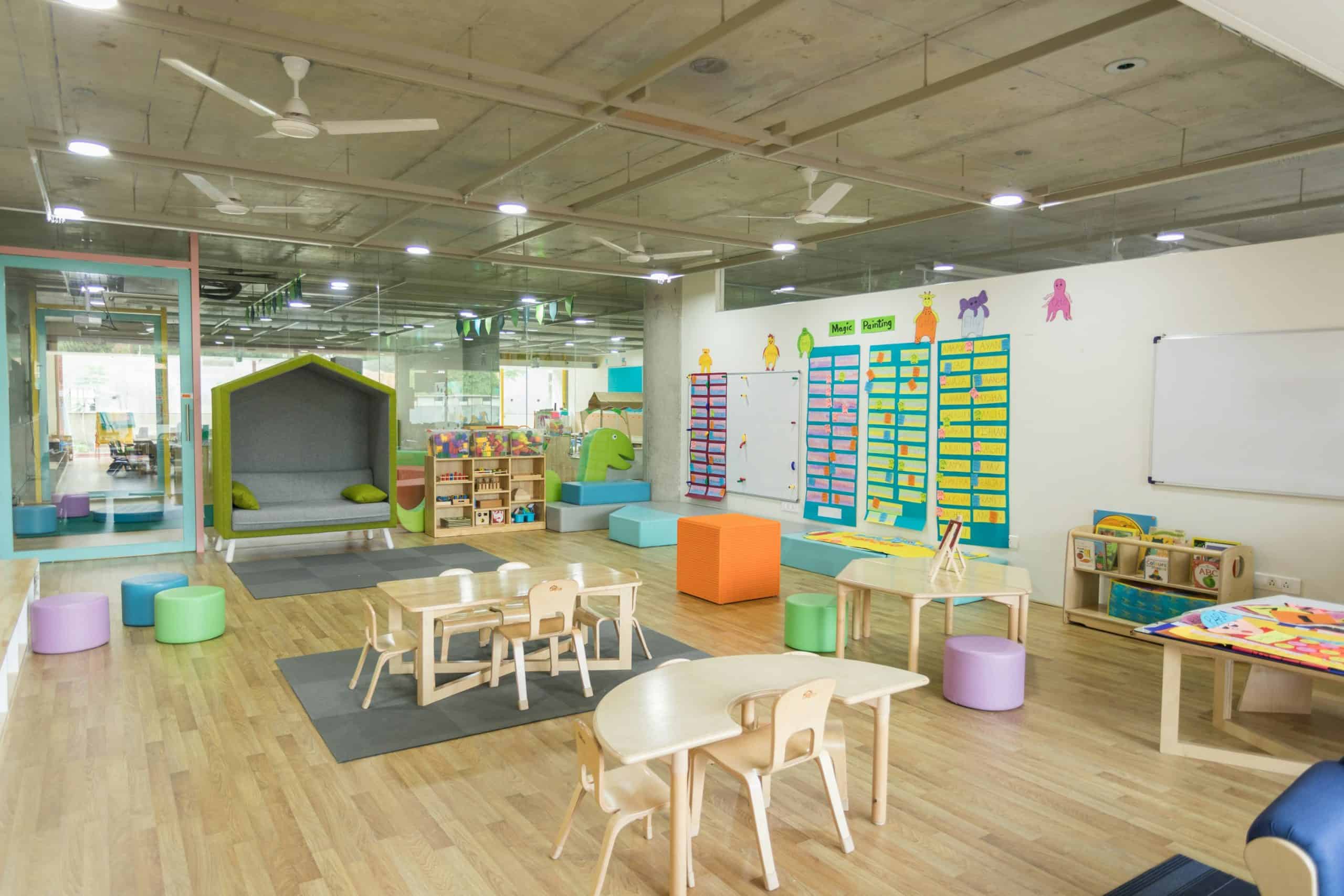
Clean, Well-Maintained Facilities
The physical environment tells you a great deal about how a program operates. Schedule a visit and observe carefully, either in person or from a designated viewing area.
Look for:
-
- Clean floors, bathrooms, and play spaces
- Sanitized toys and frequently touched surfaces
- Locked storage for cleaning supplies and medications
- Safe, well-maintained equipment
- Outdoor areas with safe surfaces and age-appropriate materials
A clean, organized environment helps prevent illness and injury while creating space for children to safely explore, learn, and play. When children remain healthy, they can attend child care programs, which allow families to hold jobs and support local businesses.

Trained and Qualified Staff
Families should feel confident in the people caring for their children. Families should ask questions and know the educator’s and administrator’s qualifications. Ensure the early childhood educators have completed these professional steps.
-
- Background checks for all staff.
- Annuals CPR and first aid certification.
- Education and credentials, such as the Child Development Associate (CDA) credential, degree in Early Childhood Education or a related field, specialized certifications.
- Ongoing professional development.
This applies to all individuals, including teachers, assistants, drivers, and administrators. Well-trained caregivers are better equipped to prevent risks, respond to emergencies, and support each child’s development.
Clear Safety Policies and Procedures
A quality program should have well-documented policies and be willing to share them with a family handbook. Many administrators require parent(s)/guardian(s) to sign a document confirming they have read and are families with their program’s policies and procedures. If so, make you read the designated handbook and ask questions when necessary. Administrators should update policies and procedures accordingly and review them at least one time a year.
-
- Emergency procedures (fire, severe weather, lockdowns)
- Illness and medication policies
- Injury reporting and family communication
- Security procedures for authorized drop-off and pick-up
While touring the program, look for posted evacuation plans and emergency instructions in classrooms and throughout the building. Prepared programs act quickly and effectively in emergencies and keep families informed every step of the way.

Safe Sleep Practices
Safe sleep practice is essential. When touring the program, ensure each infant has a crib or safe Pack ‘N Play to use for sleeping. Child care educators and families can check local resources that help cover the cost of safe sleep materials, including posters and a Pack ‘N Play. Additionally, child educators need to implement the following sleeping procedures in the classroom.
-
- Places infants on their backs to sleep
- Uses firm, empty cribs (no blankets, toys, or pillows)
- Actively monitors sleeping children
- Complete safe sleep training sessions as mandated according to state requirements.
Following safe sleep guidelines significantly reduces the risk of sleep-related incidents and helps create a safer environment for infants in care. Consistent implementation of these practices demonstrates a program’s commitment to protecting children during one of the most vulnerable parts of their day. Families should feel confident that caregivers understand and consistently follow safe sleep procedures, including ongoing monitoring and adherence to state regulations. By prioritizing safe sleep, child care programs not only reduce risk but also build trust with families and support healthy, secure development for infants.

Open Communication with Families
Strong programs prioritize transparency and partnership with families. Families receive communication about the activities planned for the week, upcoming family events hosted by the program, and notes about your child’s development. Some programs offer parent-teacher conferences while others may ask to complete a conference in your home. Communication may occur in the following manner.
-
- Provide daily updates through various formats, including apps, reports, newsletters, or conversations.
- Welcome visits and family involvement in your child’s classroom.
- Share developmental screening and/or assessment information at least once a year.
- Communicate clearly about concerns or incidents.
Families should always feel informed and confident about their child’s development and care. Ask questions if you need clarification or assistance.

Trust Your Instincts
After reviewing policies and touring programs with your child, trust your judgment. Make sure all your questions are answered and you feel confident in your decision. Before committing to a program, ask yourself the following questions.
-
- Do I feel comfortable leaving my child here?
- Is the environment calm, organized, and welcoming?
- Do the staff seem attentive and engaged?
- Did your child have time to interact with teachers and other children in their potential classroom?
Your intuition is a valuable tool. If something does not feel right, explore further or continue your search.
Conclusion
Finding safe child care is not just about checking boxes, it is about choosing a place where your child is protected, supported, and valued. Take your time, ask questions, and observe closely. High-quality programs welcome family involvement and prioritize safety as much as you do.
The process may take effort, but the peace of mind that comes with finding the right fit is invaluable.
Sponsored by the generosity of

Related Posts

Week of the Young Child Music Monday

Did you know that 60% of children spend 35-50 hours a week in a child care setting?
Did you know that 60% of children spend 35-50 hours (about 4 days) a week in a child care setting? A family’s chosen child care setting is quite literally an extension of their home, this is why it is so important that caregivers are educated and equipped with the...

Inclusive Naptime Tips
Nap time can be a hard time for children and for teachers. Having some things put in place preemptively can help lessen the “naptime woes”. First, the Missouri Licensing standards state that children who do not sleep shall rest on cots for at least thirty minutes but...
