
Fire safety for young children starts long before an alarm sounds. It begins with the daily choices adults make to keep little ones safe in the spaces where they learn, play, and grow. Whether you’re at home or running a child care program, the goal remains the same: create an environment where curiosity can thrive without danger. Because young children learn through touching, exploring, and imitating, adults must stay alert to fire hazards and review safety procedures regularly. A few consistent habits can make the difference between a close call and a safe outcome.

Creating Safe Habits in the Kitchen
The kitchen is one of the busiest, and riskiest, places for young children. Toddlers and preschoolers move quickly, reach higher than expected, and are naturally drawn to the sights and smells of cooking. Many burn injuries happen in seconds, often during routine meal prep.
The following habits are simple, proactive, and go a long way.
-
- Turn pot handles inward to prevent a child from pulling down a hot pot or pan.
- Keep hot drinks out of reach, including coffee, tea, and soup. Even warm liquids can cause serious burns. Place them on high counters or use spillproof travel mugs.
- Clear your cooking area of flammable materials, such as potholders, paper towels, or plastic utensils, to maintain a clutter free zone around burners.
These small adjustments dramatically reduce the risk of accidental burns and help adults stay focused during busy cooking routines. In child care settings, posting visual reminders near the stove or prep area can help staff stay consistent.

Using Technology That Protects
Smoke detectors remain one of the most effective tools for preventing injury or death in a fire. Yet many families and programs don’t realize that smoke detectors expire 10 years after their manufacturing date. A detector that’s too old may not sound when you need it most. If buying a new smoke detector is a financial hardship, reach out to your local fire department as many offer no cost detectors to families who need them. To keep your space protected, implement the following steps.
-
- Install smoke detectors on every level of the home or child care space, especially near sleeping areas.
- Test detectors monthly as it takes less than a minute and ensures they are ready to alert you.
- Replace batteries at least once a year or sooner if the detector chirps. If reaching detectors is difficult, contact your local fire department for assistance.
In child care programs, documenting monthly tests helps maintain consistency and meet licensing requirements. For added protection in both child care programs and at home, choose smoke detectors that include built‑in carbon monoxide detection, giving you two layers of safety in one device.

Control Access to Fire Starting Tools
Fire fascinates children. Its glow, warmth, and movement naturally draw their attention. But that curiosity becomes dangerous when matches or lighters are within reach. The following recommendations will keep children safe.
-
- Store lighters and matches in locked cabinets, not just out of sight.
- Teach children that fire‑starting tools are for adults only, reinforcing the message calmly and consistently.
- Maintain appliances safely, including cleaning dryer vents annually and emptying lint drawers before every use.
In child care programs, all staff should follow the same fire safety procedures. Include these expectations in your employee handbook, review them annually, and support one another in putting them into practice every day. At home, make sure all adults know the safety rules and follow them every day.
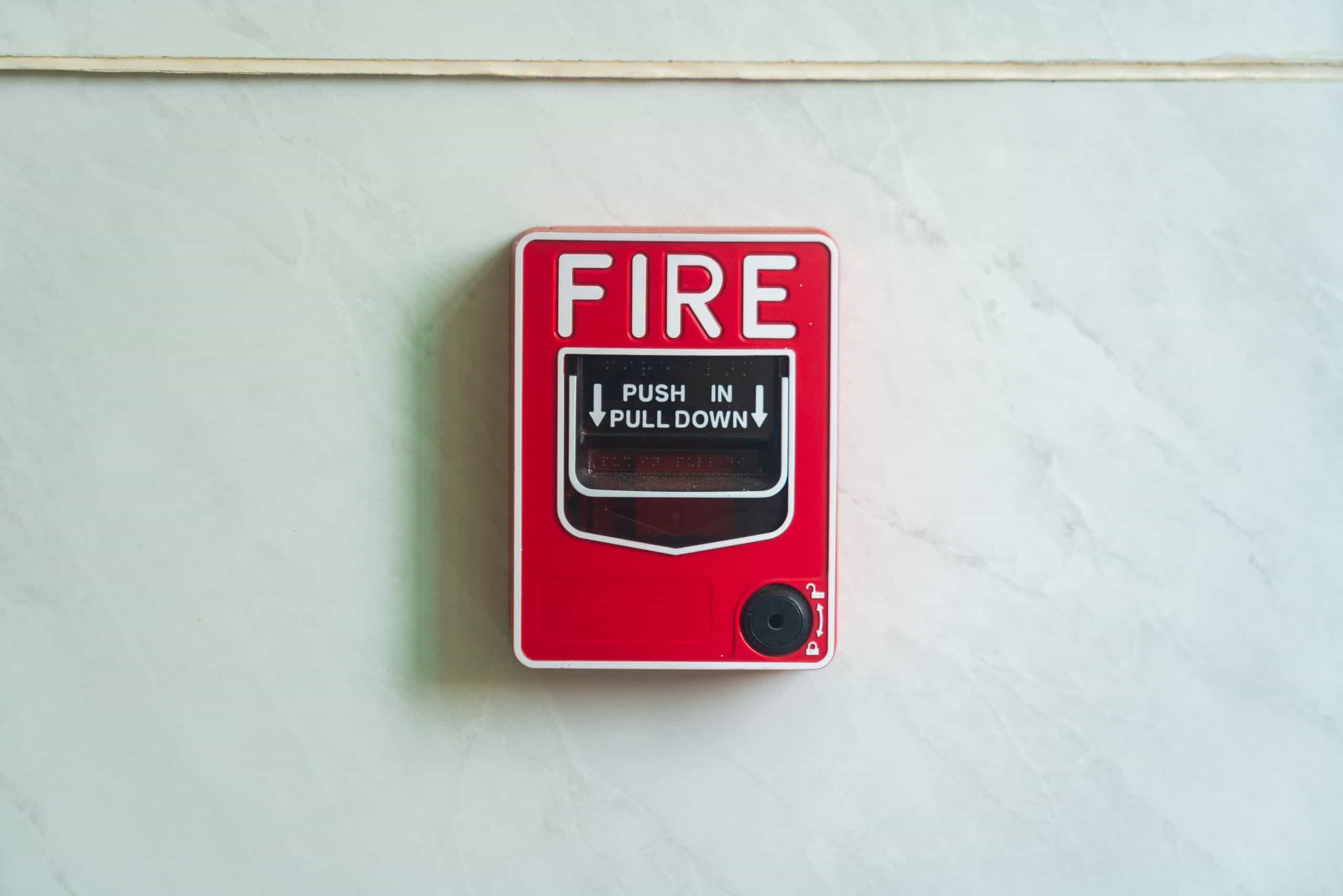
Teach Children What to Do
Even with strong prevention measures, children need to know how to respond if a fire occurs. Teaching these skills early, through calm and appropriate practice, helps children feel prepared rather than scared. Having a fire plan, including a meeting location, helps everyone to know where to go and how to remain safe. Adults can introduce key skills in child care programs and at home through the following activities.
-
- Practice simple fire drills with clear, predictable steps.
- Teach “Stop, Drop, and Roll” in a factual, nonfrightening way.
- Let children hear what a smoke detector sounds like, so they recognize the noise.
Child care educators can invite local firefighters to visit the program, or families can stop by their neighborhood fire station. Seeing the equipment, exploring the fire truck, and meeting firefighters helps children understand that these helpers are safe to approach during an emergency. Repetition builds confidence, and confident children respond more effectively when it matters.
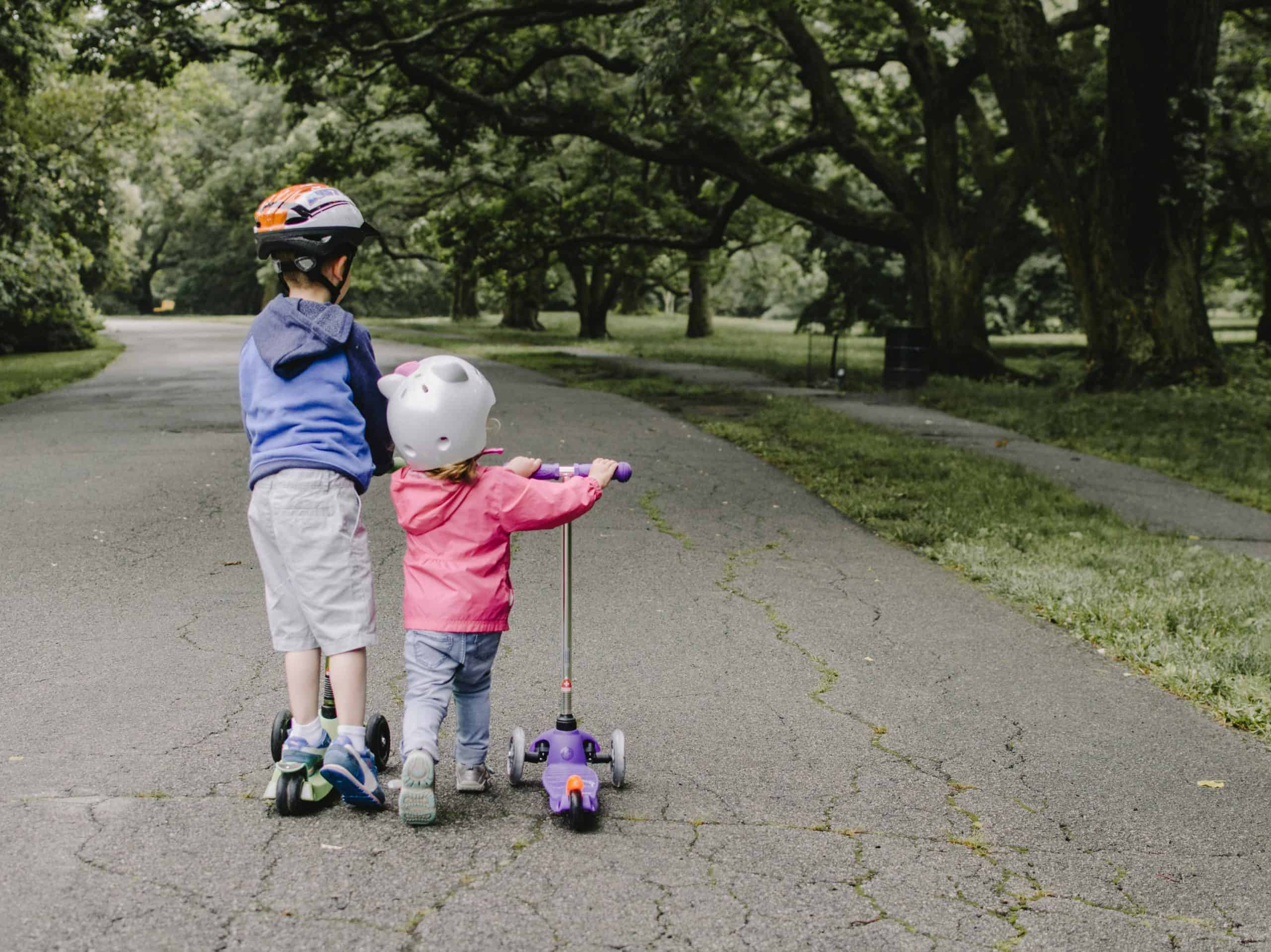
Model Safe Behavior
Children watch everything adults do. When they see adults using oven mitts, checking water temperature, keeping walkways clear, and following safety rules, they learn that safety is simply part of everyday life. Fire safety should feel empowering, not frightening. When adults model calm, consistent habits, children learn to trust the routines that keep them safe. By creating safe spaces, using reliable tools, and teaching children what to expect, you build a foundation of protection that supports both learning and independence. Whether at home or in a child care program, these strategies help ensure that every child can explore their world with confidence and security.
Conclusion
Fire safety is not only about alarms, escape plans, and prevention strategies. It also shapes the environments where children live, learn, and play. Access to stable housing, financial resources, education, health care, and strong community support influence a family’s ability to implement fire safety practices. Smoke detectors, safe cooking practices, and clear emergency plans can significantly reduce child injuries. Connecting families to community resources, such as no cost safety equipment, education programs, and local support services helps ensure these materials and information are accessible to everyone. In working together, educators, families, and community stakeholders can build stronger community supports, reduce risks, and create safer spaces for children to learn and thrive.
Sponsored by the generosity of

Related Posts

What Families Should Know When Choosing a Safe Child Care Program
Choosing a child care program is one of the most important decisions a family can make. While convenience and cost matter, safety must always come first. A safe, high-quality child care environment does more than prevent harm, it supports children’s development,...

Creating Safe Sleep Environments: A Guide for Early Childhood Educators and Families
Early childhood educators and families share the responsibility of helping infants sleep safely. Consistent safe sleep practices in child care programs and at home reduce the risk of sleep-related incidents, including sudden infant death syndrome (SIDS). When...

Connecting the Dots: Child Safety and the Social Factors That Shape It
We often think about child safety in terms of physical protection by using car seats, safe sleep practices, or close supervision to help prevent injuries. While these are critical, they represent only part of a much broader picture. Child safety best practices are...
