
We often think about child safety in terms of physical protection by using car seats, safe sleep practices, or close supervision to help prevent injuries. While these are critical, they represent only part of a much broader picture. Child safety best practices are shaped by the social determinants of health (SDOH), which define the conditions children are born, grow, learn, and live. These connections influence immediate safety and support long-term well-being through home, educational, and community environments. To protect children, we must look beyond individual actions and consider the environments that shape each child’s daily life.

What Are Social Determinants of Health?
Social determinants of health include access to the following conditions and resources that lead to well-being.
-
- Income
- Housing stability
- Education
- Health care
- Neighborhood conditions
- Social support systems
These elements influence physical health outcomes, emotional development, cognitive growth, and risk to injury. These determinants are very important for children, as they are dependent on adults and systems for protection. Keeping children safe is influenced by the environment surrounding them. When environments in a child care program or at home are stable and supportive, children are more likely to thrive. Chances for child injuries to occur increase when the environments are unstable or inequitable.

Family Income
Family income plays a significant role in child safety. Economic hardship can increase exposure to unsafe living conditions, such as overcrowded housing, neighborhoods with higher crime rates, or environmental hazards like lead or poor air quality. Financial stress can also affect caregivers’ mental health, reducing their capacity to provide consistent supervision and emotional support.
Limited financial resources often restrict access to safety equipment and services, whether that’s safe child care, injury-prevention resources, or health insurance. These gaps can increase the likelihood of preventable injuries and neglect, not because caregivers lack concern, but because they lack access. To help increase child safety practices, adults can see which resources are available in their community, such as the following supports.
-
- Local fire departments may distribute smoke detectors at no cost.
- Hospitals conduct car seat checks to ensure correct installation.
- Community health departments provide vaccinations to those with limited or no health insurance.
Housing Stability
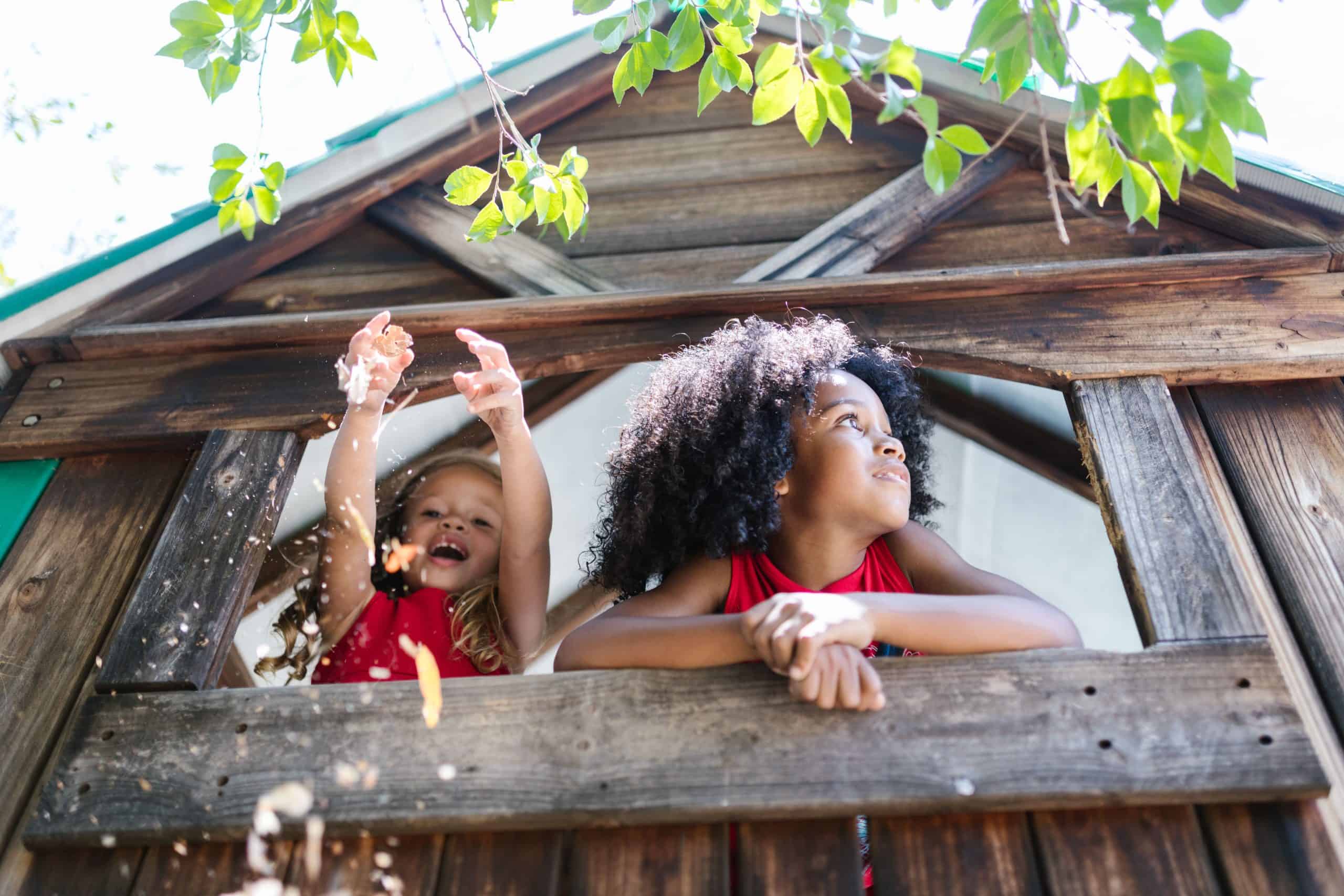
Where a child lives directly influences their safety. Safe housing includes not just structural integrity, but also freedom from environmental dangers such as mold, pests, toxins, and unsafe infrastructure. Housing instability, such as frequent moves, eviction risk, or homelessness, can disrupt routines and increase vulnerability to neglect, exploitation, or trauma. The McKinney-Vento Homeless Assistance Act requires each public school district to designate a homeless education liaison, who helps each family in the following ways.
-
- Identifying children who experience unstable housing or homelessness.
- Ensure school enrollment within their district.
- Connect families to additional community resources to secure transportation, meals, and employment.
Expanding awareness of and access to these supports can help reduce safety gaps for families facing financial strain. When communities invest in accessible resources, they help ensure that all children, regardless of income, have a safer and healthier start.
Education
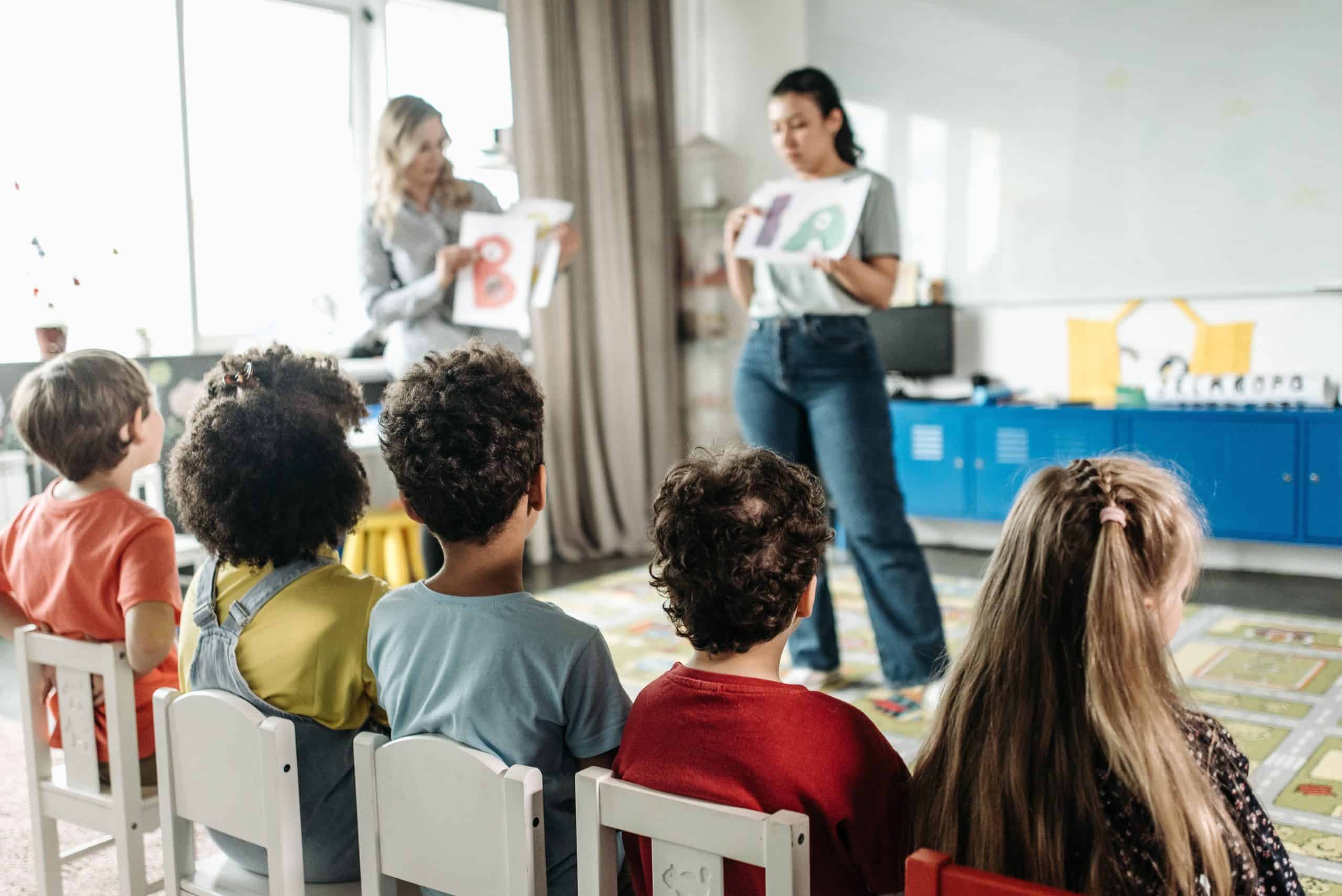
Caregiver education can influence knowledge of safety practices, child development, and availability of resources. Understanding safe sleep guidelines or recognizing signs of developmental delay can prevent harm or enable early intervention.
For children, access to quality early education helps build cognitive and social skills that reduce risk. Schools also play a critical role as safety nets as educators are trained in identifying concerns related to child abuse, neglect, or mental health challenges that might otherwise go unnoticed. Early education programs, including Early Head Start/Head Start and local public schools offer access and resources for these additional services to families.
-
- Meals during weekends, summer months, and/or school breaks.
- Counseling services with appropriate professionals, such as a Licensed Professional Counselor (LPC) or Licensed Clinical Social Worker (LCSW).
- Social events, including community resource fairs, literacy activities, and concerts or theater performance.
These supports strengthen both children and families by creating safer, more stable environments. When education systems are well-resourced and accessible, they play a powerful role in preventing risk and promoting lifelong well-being.
Health Care
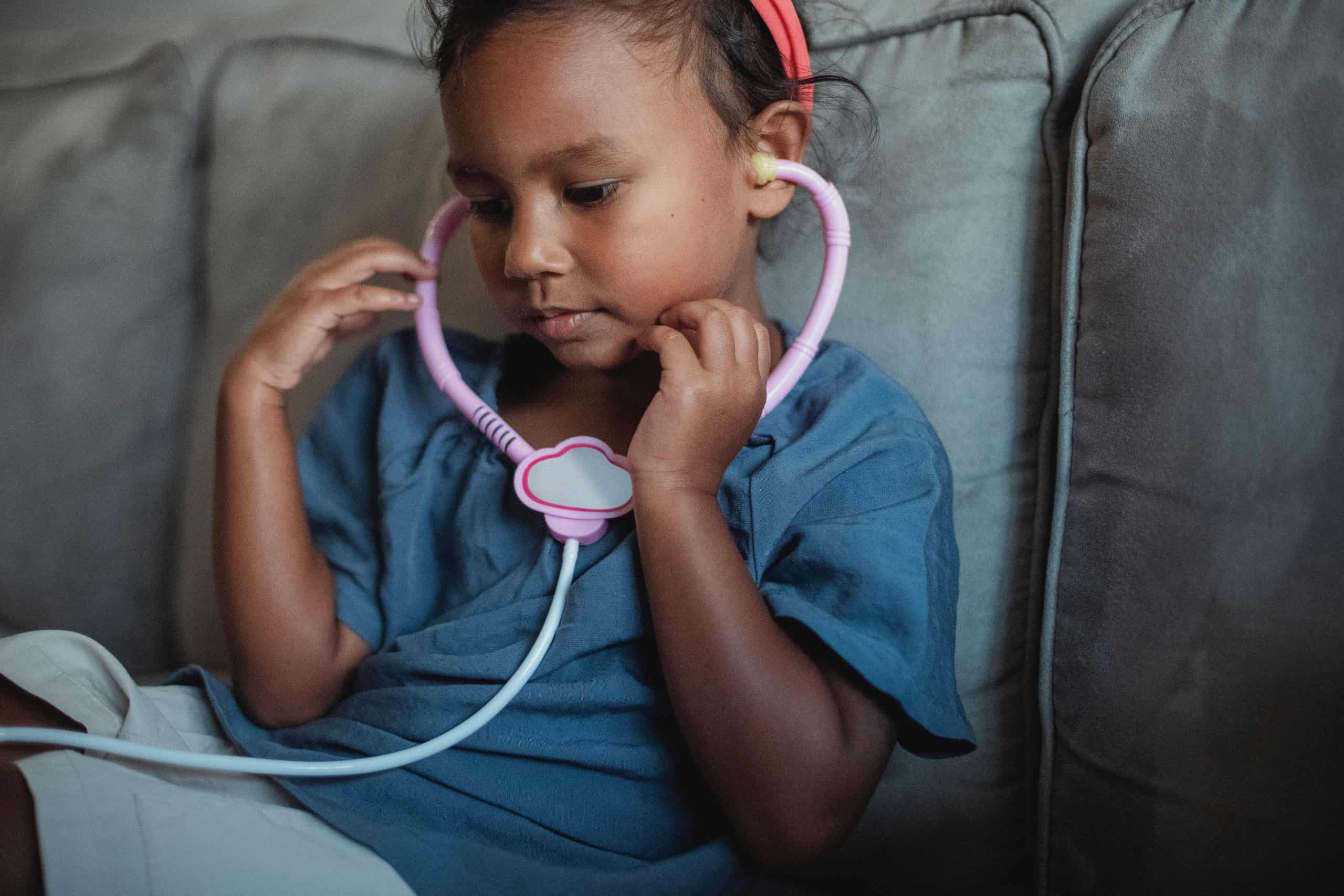
Access to consistent, high-quality health care is another crucial determinant of child safety. Regular pediatric visits provide opportunities for injury prevention counseling, developmental screenings, and early identification of health concerns. Without access to care, whether due to cost, transportation barriers, or lack of insurance, children may miss these critical touchpoints.
Preventive services, such as vaccinations and mental health support, further protect children from both immediate and long-term harm. Child care providers and schools can provide the following health care resources to families.
-
- Early Head Start/Head Start programs offer hearing, vision, dental, and developmental screenings at no cost to families throughout the year.
- Child Care educators can maintain a list of community resources, including transportation, meals, and counseling services, for families to access when needed.
- Child care and local school district educators can work together to strengthen communities and resources for young children and their families.
Improving access to these services help ensure that children receive the care they need before health challenges become more serious. When communities remove barriers to health care, they create safer conditions for children to grow, develop, and learn.
Neighborhood Conditions
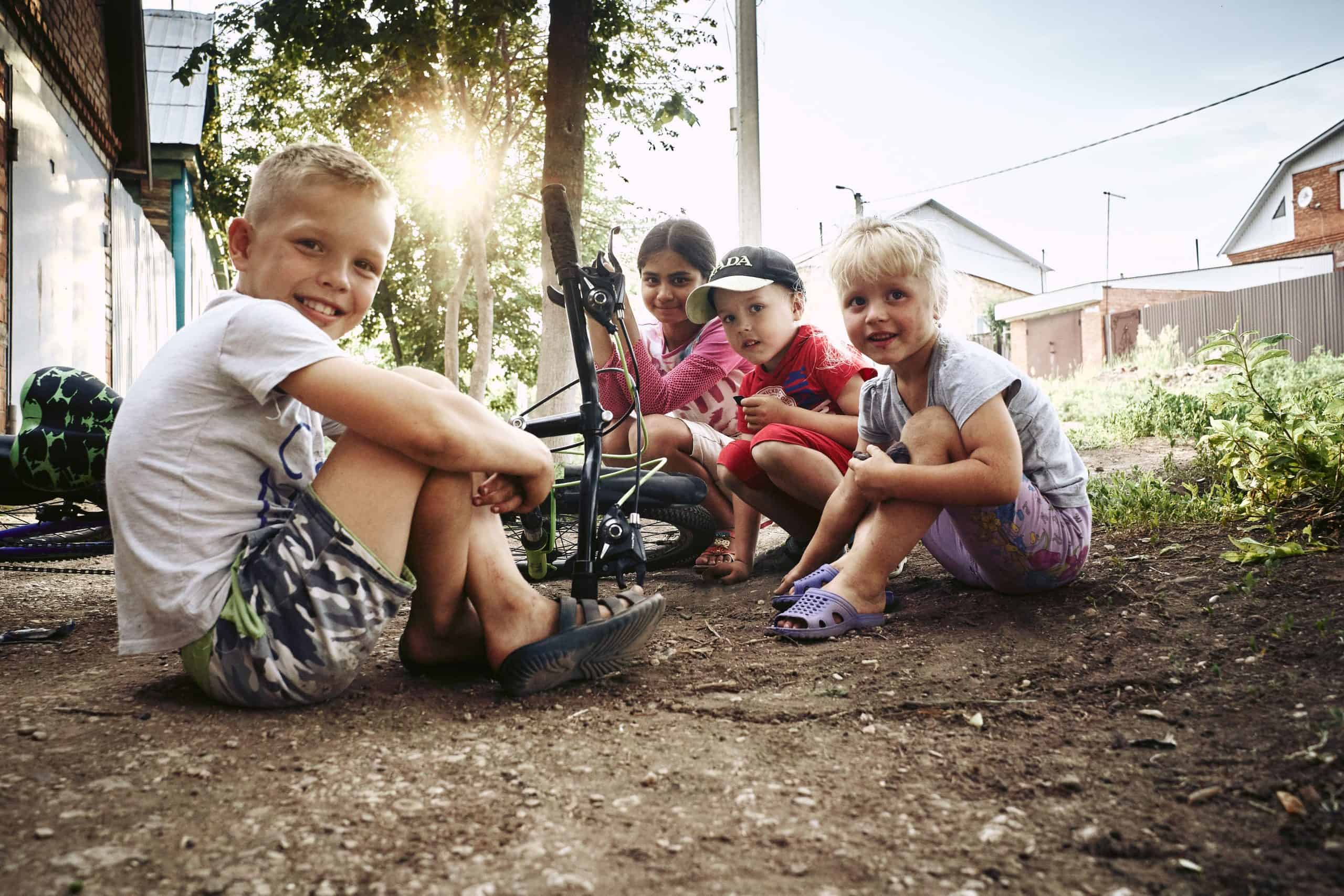
Neighborhoods matter too. Communities with limited green space, poorly maintained buildings and streets, or high levels of violence can expose children to injury and chronic stress. Communities can help boost neighborhoods through the following strategies.
-
- Create parks that promote nature and accessible playgrounds for all children.
- Develop community gardens that grow fresh fruits and vegetables.
- Enhance neighborhood programs for children, including activities held before and after school hours.
These improvements create safer, more supportive environments where children can grow, learn, and play. When communities invest in their neighborhoods, they reduce risks while building stronger, more connected spaces for families.
Social Support Systems
Strong social networks, including extended family, neighbors, and community organizations protect children in their communities. These networks can provide practical support, such as child care or transportation, as well as emotional support that reduces educator and family stressors. Social isolation increases risk. When families lack support, challenges can escalate without intervention. A stressed caregiver without community resources may struggle to meet a child’s needs, elevating the risk of neglect or unsafe situations. Educators and families can access social support systems in the following ways.
-
- Children experience benefits from attending after school programs, such as those offered by the Boys & Girls Club, YWCA, athletic organizations, and art programs.
- Mentoring programs, in which adults volunteer time to individual or small groups of children in the community, including Big Brothers Big Sisters and Mentors 4 College.
- Family support groups organized by private agencies, individual schools, or a neighborhood group of families.
These supports help reduce isolation and build resilience for children and adults. When families are connected to strong social networks, they tend to have the appropriate knowledge, tools, and resources to navigate challenges and create safer environments for children to grow and learn.
Conclusion
Child safety and the social determinants of health are inseparable. Protecting children means more than preventing accidents or responding to crises. Child injury prevention requires creating environments where educators and families have the resources, stability, and support they need to raise children safely. By addressing economic security, housing, education, healthcare, and community connections, communities and neighborhoods create proactive, sustainable solutions. In doing so, we not only keep children safe today but also lay the foundation for them to have healthier, more equitable futures.
Sponsored by the generosity of

Related Posts

What Families Should Know When Choosing a Safe Child Care Program
Choosing a child care program is one of the most important decisions a family can make. While convenience and cost matter, safety must always come first. A safe, high-quality child care environment does more than prevent harm, it supports children’s development,...

Creating Safe Sleep Environments: A Guide for Early Childhood Educators and Families
Early childhood educators and families share the responsibility of helping infants sleep safely. Consistent safe sleep practices in child care programs and at home reduce the risk of sleep-related incidents, including sudden infant death syndrome (SIDS). When...

Forming a Fire Safe Environment for Young Children
Fire safety for young children starts long before an alarm sounds. It begins with the daily choices adults make to keep little ones safe in the spaces where they learn, play, and grow. Whether you’re at home or running a child care program, the goal remains the same:...
